






 CN
CN

 HOME
HOMESolid Propellant Vertical Kneader | JCT Machinery
 Apr 03,2026

 JCT
JCT
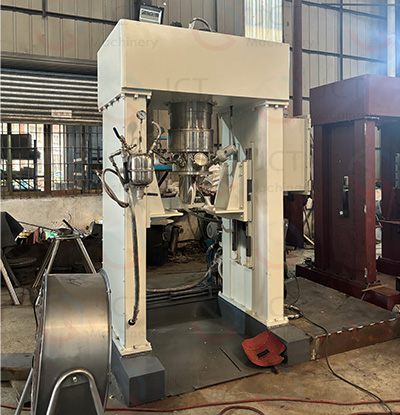
Vertical kneader offer extremely high safety and mixing precision.
Vertical Kneader Working Principle
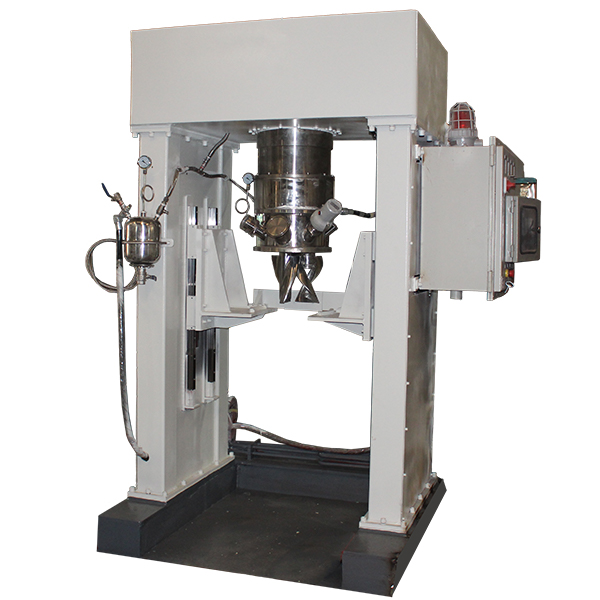
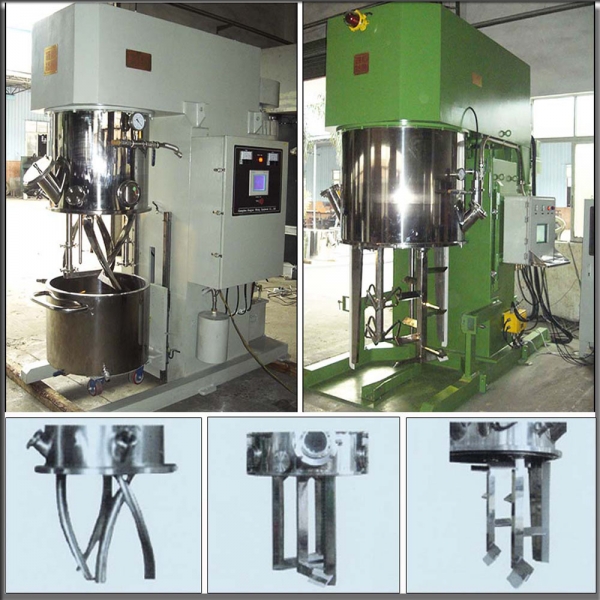
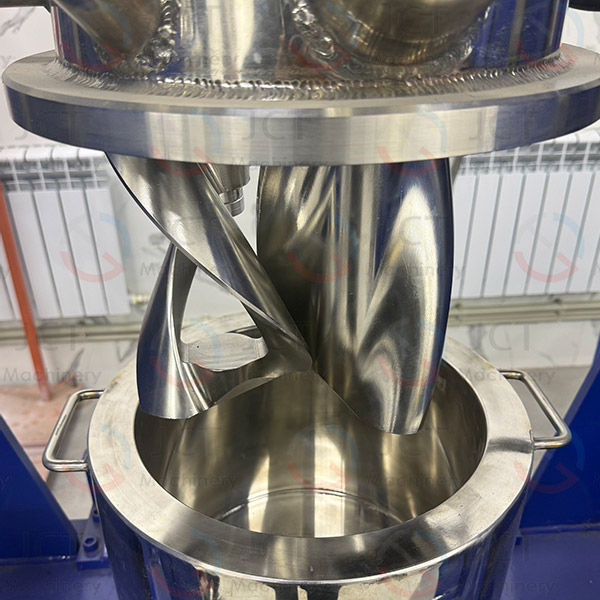
Vertical kneader typically employ a twin-blade structure. The blades move in a planetary motion, revolving around their own axis and rotating on their own axis around the central axis of the container.
- Planetary kneading: Two specially shaped blades do not contact each other during movement, but create extremely small gaps with the container wall and between themselves, generating strong shearing, stretching, and kneading effects.
- Seamless Mixing: This complex trajectory ensures that all materials within the container are processed uniformly, preventing the accumulation of solid particles.
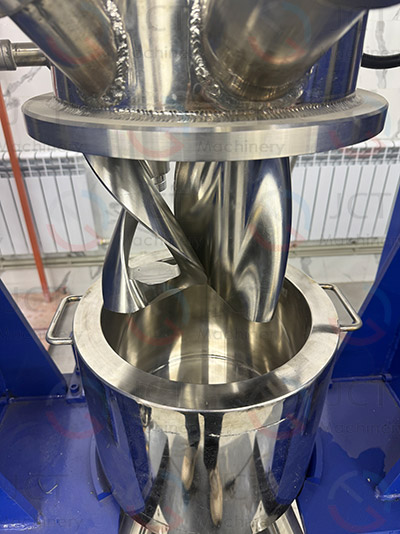
Because rocket propellants are high-energy sensitive materials, our solid propellant vertical kneader is designed to meet stringent explosion-proof and safety standards.
1. Ultimate Safety
Non-contact design: Strict clearances are maintained between blades and between blades and the vessel wall to prevent any metal-to-metal friction, thus avoiding sparks or localized overheating that could lead to combustion or explosion.
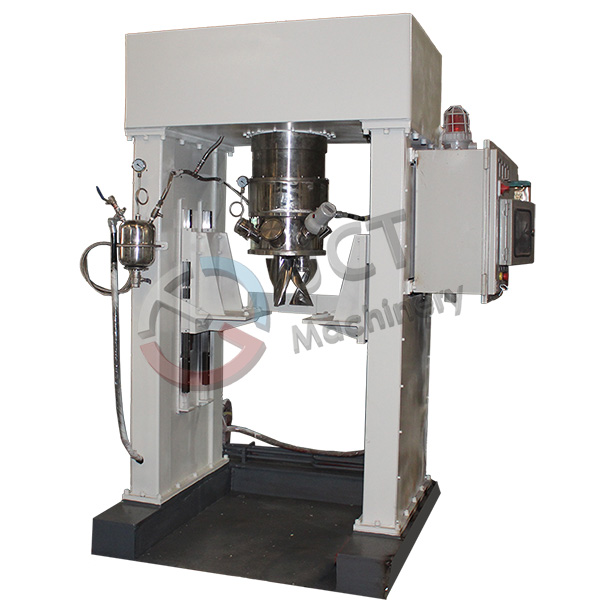
Remote control: The equipment is typically installed within an explosion-proof enclosure and can be equipped with a PLC control system. All operations (lifting, feeding, mixing, and unloading) are completed automatically from a control room located away from the equipment.
2. Precise Temperature Control System
Thermosensitive management: The propellant is extremely sensitive to temperature. Solid propellant vertical kneader body and base are equipped with a complex jacket structure, using constant-temperature water circulation to ensure rapid removal of reaction heat during the mixing process. Temperature control accuracy typically needs to reach ±0.5℃.
3. Vacuum Environment and Sealing
Degassing: Kneading must be performed under vacuum (typically better than -0.098MPa) to remove tiny air bubbles from the propellant. These bubbles can cause an abnormal increase in combustion area during rocket engine ignition, potentially leading to an explosion.
Solid Propellant Vertical Kneader Equipment Parameters (for reference)
| Volume | 10L |
| Working Volume | 60-80% |
| Mixing Method | Vertical double-paddle kneading |
| Main Motor Power | 3-7.5kW (optional) |
| Rotation Speed Range | 0-60rpm (variable frequency) |
| Equipment Material | SS304/SS316/Carbon steel lined with stainless steel |
| Heating Method | Electric heating / Thermal oil / Hot water (optional) |
| Design Pressure | Atmospheric pressure / Slight negative pressure (optional) |
| Discharging Method | Bottom discharge |
**Specific parameters can be customized according to material characteristics and process requirements.
Why choose vertical design over a horizontal one?
- No shaft seal contact with materials: In a vertical machine, the shaft seal is located in the upper space, avoiding direct contact with highly viscous and sensitive materials, completely eliminating the safety hazard of frictional heat generation at the shaft seal.
- Thorough discharge: Vertical gravity-assisted discharge reduces residue and facilitates cleaning (cleaning sensitive materials is a critical safety step).
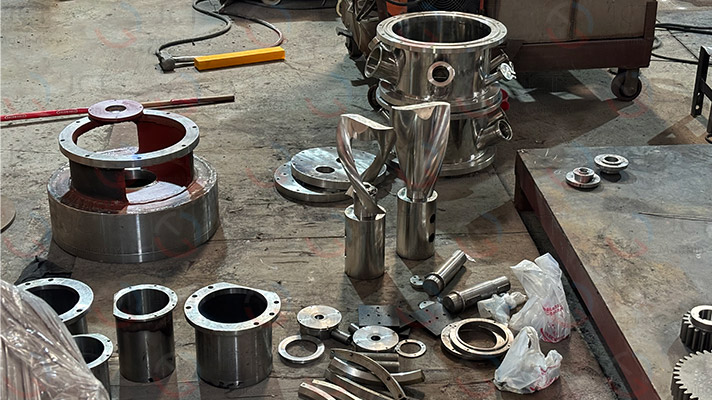
- Easy maintenance: The vessel body can usually be lowered or removed for easy inspection of the propeller condition.
 Upgrading Acrylic Resin Production Line Equipment Has Become A New Trend In The Industry
 You May Also Like


 Tel
Tel
 Email
Email
chemicalmixingtank2004@gmail.com
 Address
Donglian Jincheng Industrial Zone, Danzao Town, Nanhai District, Foshan City, Guangdong Province, China