






 CN
CN


 HOME
HOMEDifferent Resin Manufacturing Process | JCT Machinery
 Dec 08,2025

 JCT
JCT
The differences in resin production processes essentially stem from the following factors:
- Different polymerization methods (condensation, addition, ring-opening, etc.)
- Different raw material systems (acid/alcohol systems, isocyanate systems, phenolic resin systems, etc.)
- Different viscosities (from low-viscosity liquids to high-viscosity semi-solids)
- Different solid content requirements
- Significant differences in reaction temperature and pressure
- Whether steps such as vacuum, solvent recovery, and distillation are required
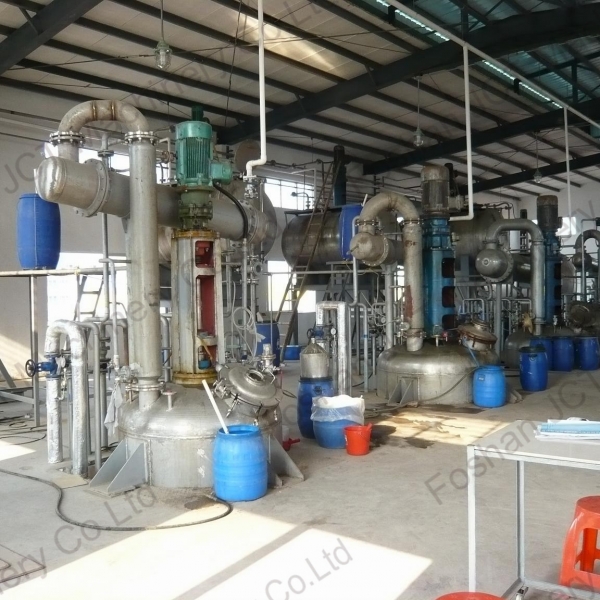
Therefore, different resins utilize different reactors, stirring methods, heating methods, and condensation systems.
Comparison of the differences in production processes for major resin products
| Type | Production Process | Temperature Range | Viscosity Range | Equipment Features |
| Alkyd resin | Esterification→dehydration→dilution→cooling | 230-260℃ (high temperature) | Medium to high | External coil reactor, powerful stirring, azeotropic dehydration device |
| Epoxy resin | Addition reaction→vacuum degassing→ratio adjustment→cooling | 120-180℃ | High viscosity or even semi-solid | High-shear stirring vacuum system, strict temperature control |
| Acrylic resin | Solution polymerization→isothermal reaction→cooling and filtration | 80-150℃ | Low to medium | Equipped with a dropping tank, the reactor requires precise temperature control |
| Polyurethane resin | Addition or pre-polymerizaion→vacuum→formulation | 70-120℃ | Medium to high | Reactor requires nitrogen blanketing to prevent moisture ingress; high equipment sealing requirements |
| Phenolic resin | Acid/base catalyzed polycondensation→vacuum dehydration→pre-treatment before molding | 80-180℃ | Low to high | Stainless steel reactor, corrosion-resistant stirrer, high temperature control requirements |
| Ures-formaldehyde resin | Polycondensation→neutralization→concentration→cooling | 70-120℃ | Low viscosity | The entire equipment needs to be corrosion-resistant and capable of continuous production |
Different resins have completely different equipment requirements
1. Different stirring systems
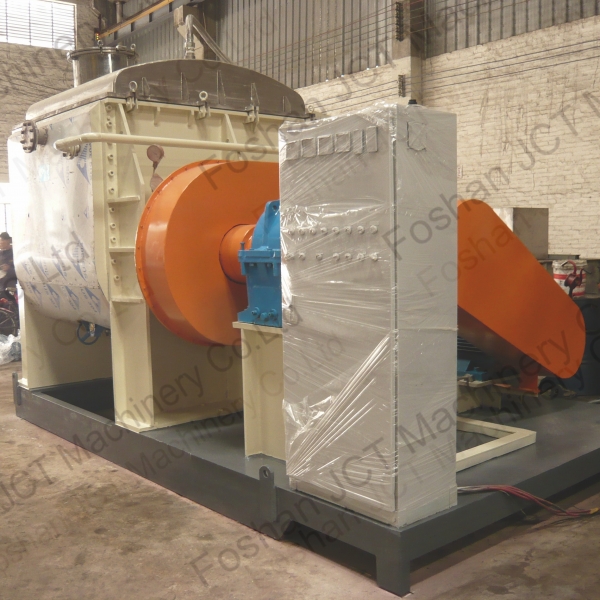
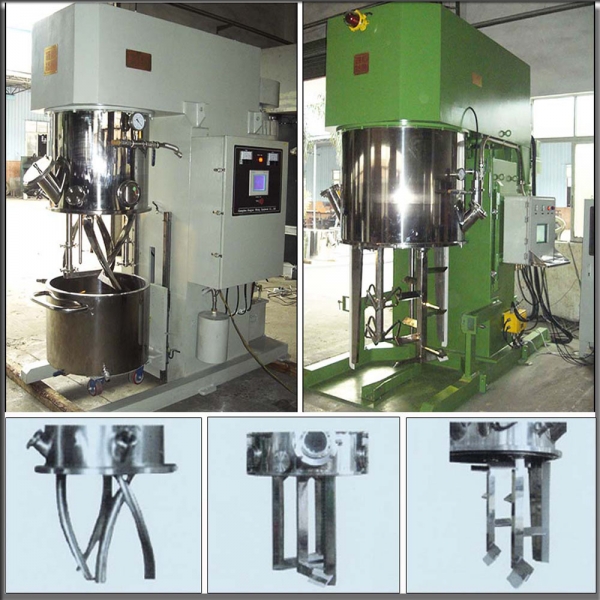
High-viscosity resins (epoxy, PU, phenolic) require: anchor, frame or wall-scraping stirring.
Medium-to-low viscosity resins (acrylic, urea-formaldehyde) require: frame or propeller stirring.
2. Significant differences in temperature control
Alkyd resins require high-temperature heating at 260℃.
Acrylic resins have lower reaction temperatures but require precise temperature control.
Polyurethane is temperature-sensitive; overheating can lead to yellowing or decomposition.
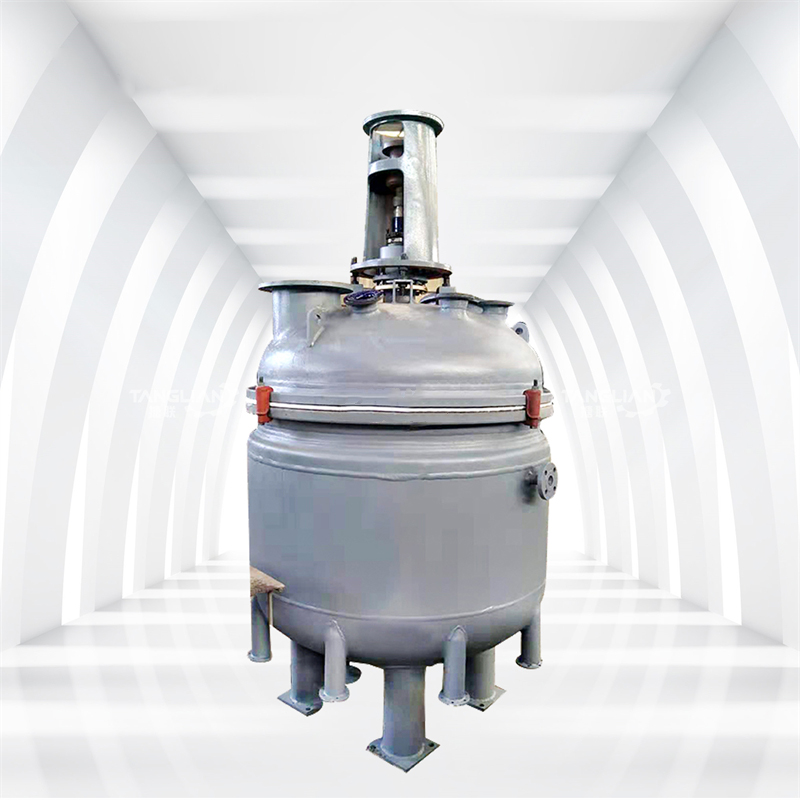
Therefore, the equipment must be customized with jacketed or external coil structures depending on the product.
3. Different vacuum and sealing requirements
PU resins are very sensitive to water and require a vacuum sealing system.
Epoxy resins require vacuum degassing.
Urea-formaldehyde resins need to prevent formaldehyde volatilization and also require good sealing.
4. Whether a solvent recovery system is needed
Alkyd and acrylic resins often use solvents, must be equipped with a condenser + reflux tank + water separator.
Solvent-free systems (such as some PU and epoxy resins) do not require this.
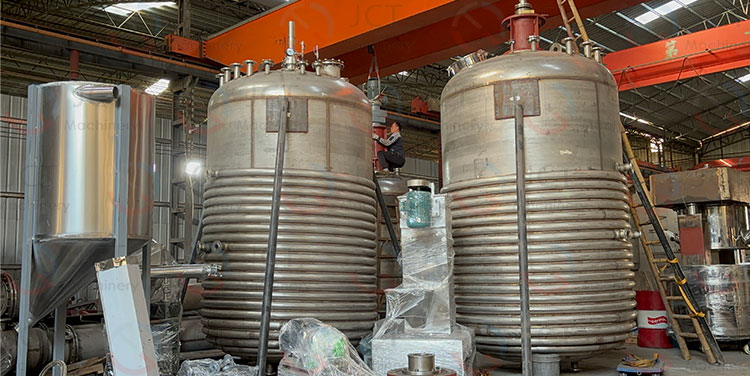
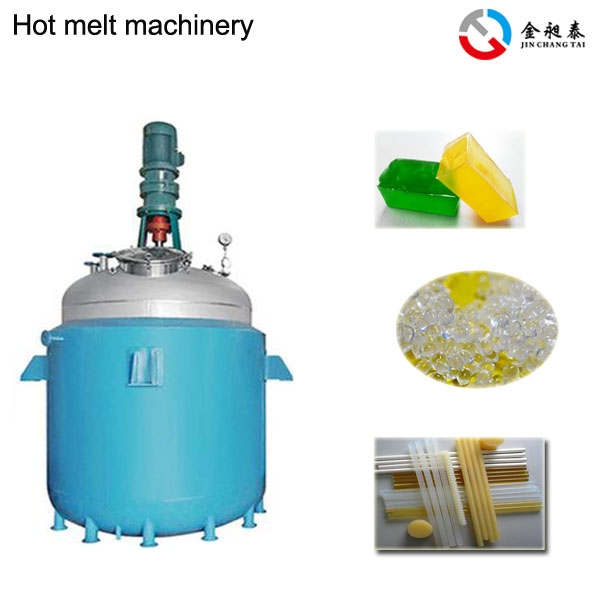
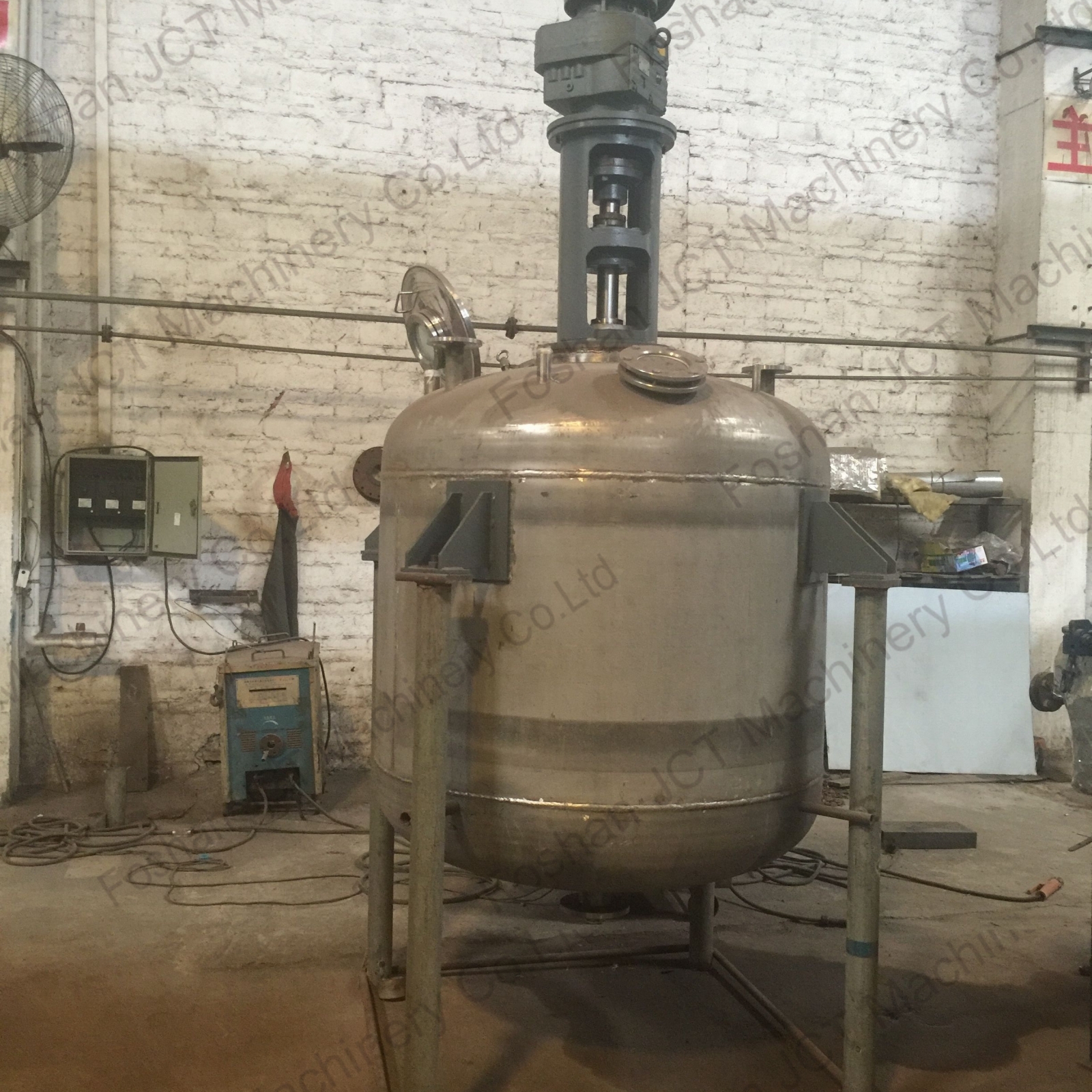
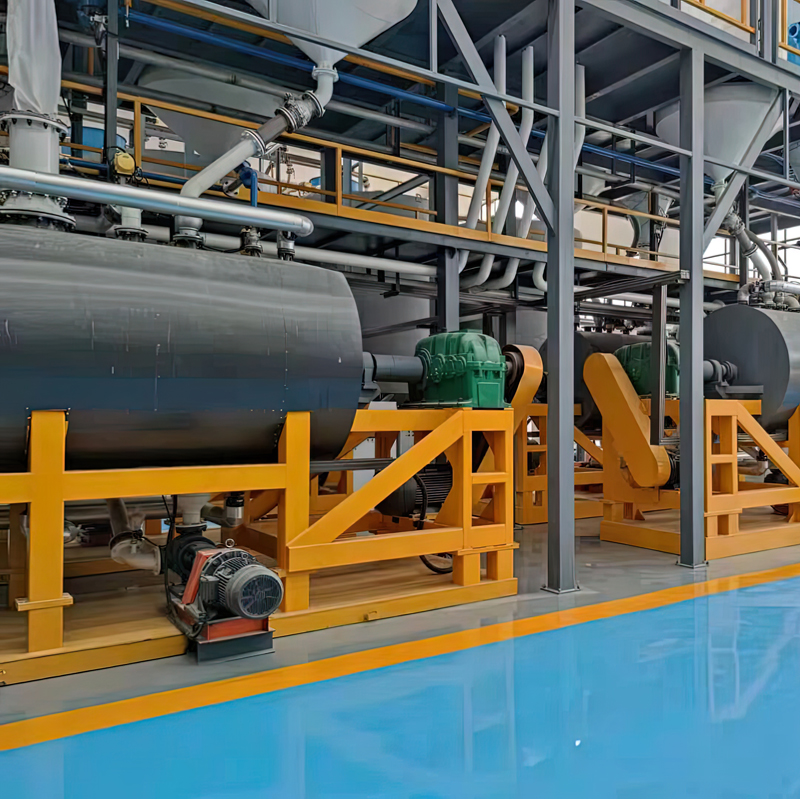
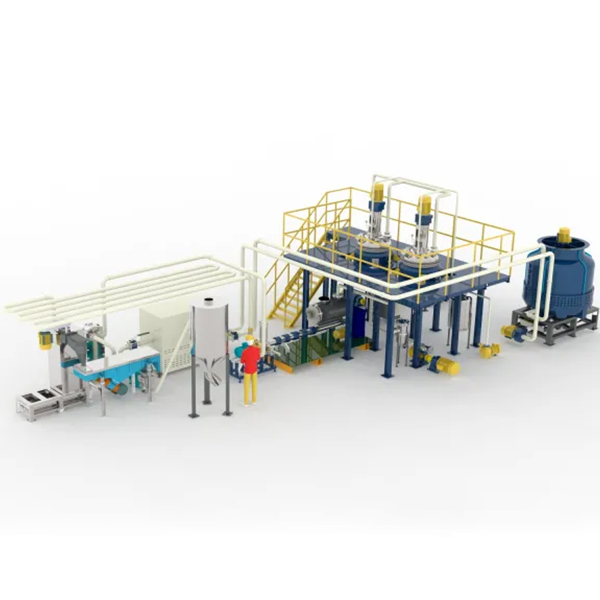
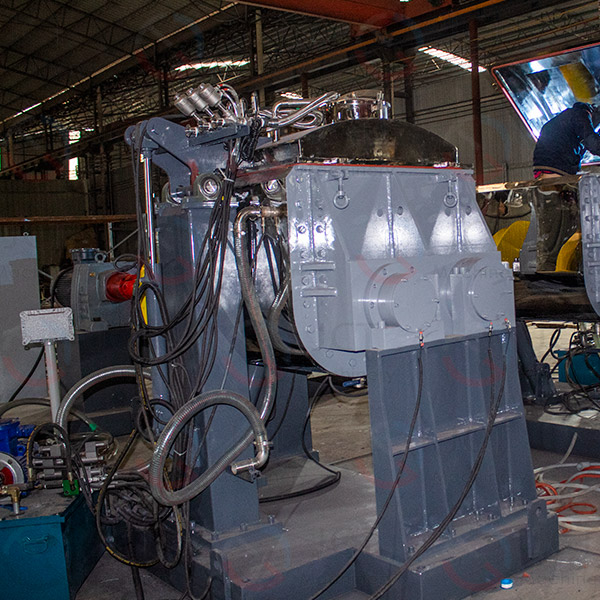
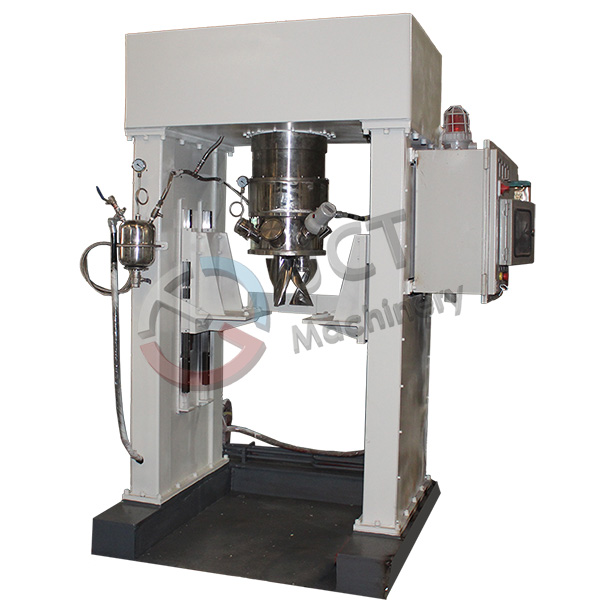
As a manufacturer of resin production line equipment, JCT configures different equipment for its customers based on the process differences of various resins, including:
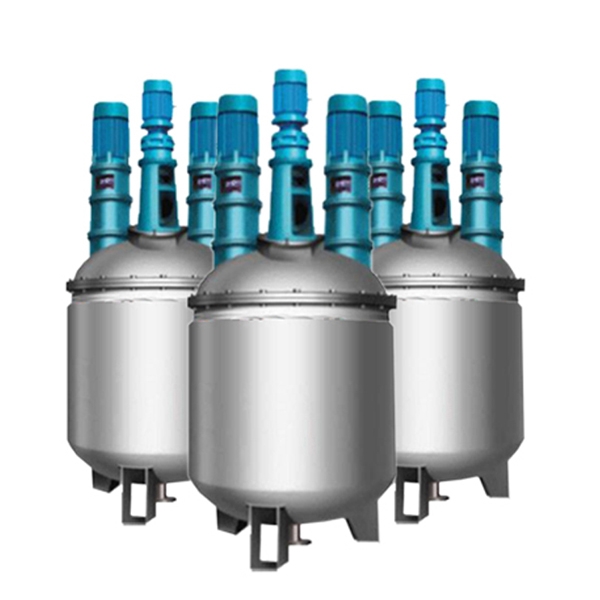
- reactor (jacketed/external coil/internal coil)
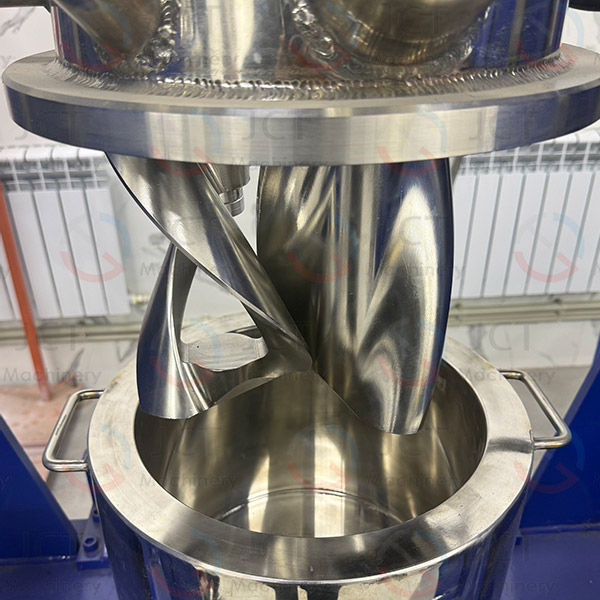
- mixing methods (frame type, anchor type, paddle type, high-shear dispersion, etc.)
- condensing systems
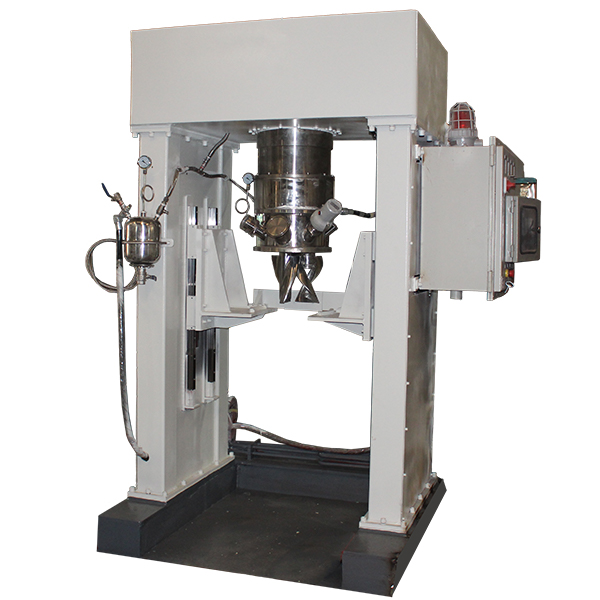
- vacuum systems
- control systems (automatic/semi-automatic)
To help customers achieve stable, efficient, and safe resin production.
 High Speed Disperser: Core Dispersion Equipment For Coating, Ink, Adhesive And Chemical Industries | JCT Machinery
 You May Also Like


 Tel
Tel
 Email
Email
chemicalmixingtank2004@gmail.com
 Address
Donglian Jincheng Industrial Zone, Danzao Town, Nanhai District, Foshan City, Guangdong Province, China