banner
HOME - PRODUCTS - kneading machine - Bottom Discharge Kneader
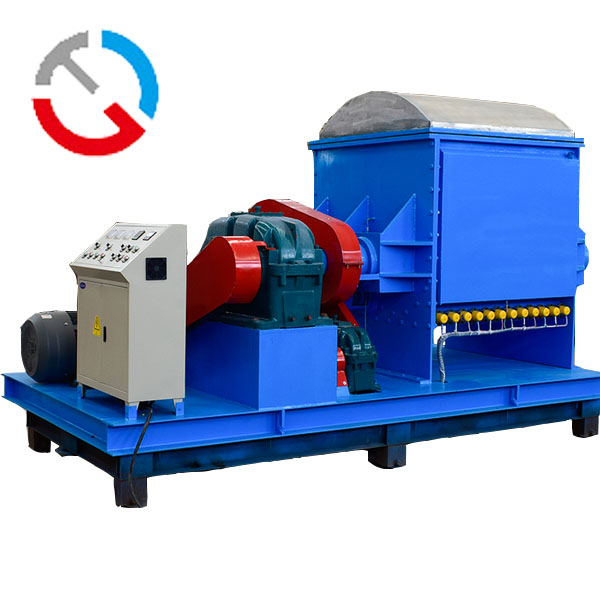
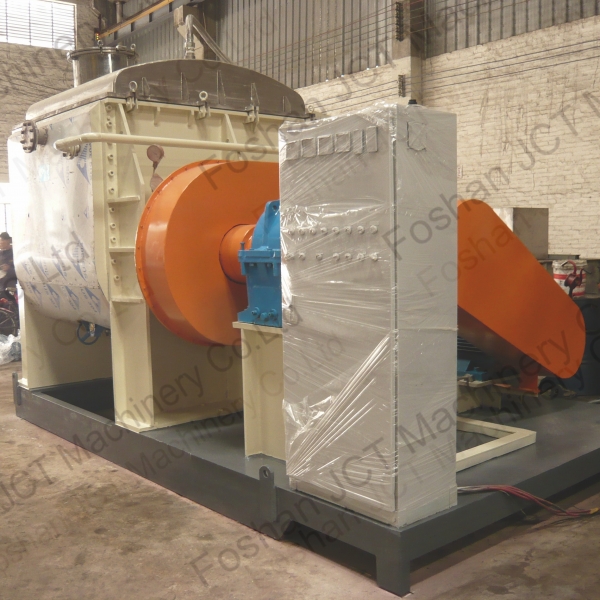
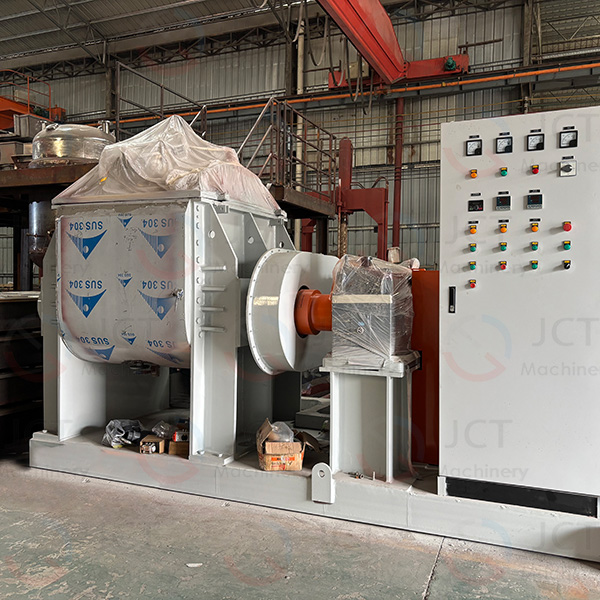
Bottom Discharge Sigma Blade Mixer

Bottom Discharge Sigma Blade Mixer

Expert in closed-system kneading and rapid dishcarge of high-viscosity materials.
Product Details Application Structural features Technical Parameters contact us

Bottom Discharge Sigma Blade Mixer Equipment Parameters

Model Full Volume (L) Driver Motor Power (kW) Heating Vacuum Degress (MPa) Discharge Method
NHZ-200 200 7.5~15 Hot oil circulation heating / Electric heating / Steam heating / Water cooling -0.098 Bottom discharge
NHZ-300 300 11~18.5
NHZ-500 500 18.5~30
NHZ-1000 1000 22~55
NHZ-2000 2000 45~75
NHZ-3000 3000 55~110
NHZ-5000 5000 75~150


Key Features of Bottom Discharge Simga Blade Mixer

  • Zero-Dead-Zone Bottom Valve Design: Features a custom-engineered hydraulic or pneumatic bottom valve (ball valve or flush-bottom valve) that conforms to the cylinder's curvature, completely eliminating material residue and accumulation in dead zones.
  • High-Vacuum/High-Pressure Sealing: Maintains an airtight seal throughout the process—without the need to tilt the vessel—preventing solvent evaporation, oxidation, and external contamination.
  • Efficient, Rapid Discharge: Utilizes a combination of gravity and agitator blade thrust to allow high-viscosity pastes to discharge directly into downstream process vessels or pump inlets.
  • Modular Heating/Cooling Jacket: Supports electric heating, thermal oil heating, or water cooling, ensuring precise control over reaction and mixing temperatures.


Key Valve Types and Discharge Configurations

  1. Hydraulic flap valve (segment valve): The valve plate conforms to the curvature of the cylinder bottom and opens by flipping downwards or to the side. It features minimal dead zones and excellent sealing performance, making it suitable for medium-to-high viscosity compounds and pastes.
  2. Ball valve/Butterfly valve (large-bore): suitable for materials with good flowability, relatively low viscosity, or a semi-fluid state; these valves offer simple operation and facilitate automated control.


Test with your own materials for peace of mind! We offer free sample testing using laboratory sigma blade mixer—book your factory trial session today!

Tel: +86-181 3837 3963 (Whastapp, Wechat)

Email: chemicalmixingtank2004@gmail.com

Bottom Discharge Sigma Blade Mixer Typical Applications

Bottom discharge sigma blade mixer is widely used in industries requiring specific flow characteristics for viscous materials or necessitating sealed reaction and degassing processes:

  • Silicone sealants / Glazing sealant base: Kneading, dehydration, and degassing of high-viscosity base materials.
  • Polyurethane (PU) adhesives & Resins: Moisture-proof, sealed mixing with direct bottom discharge into packaging.
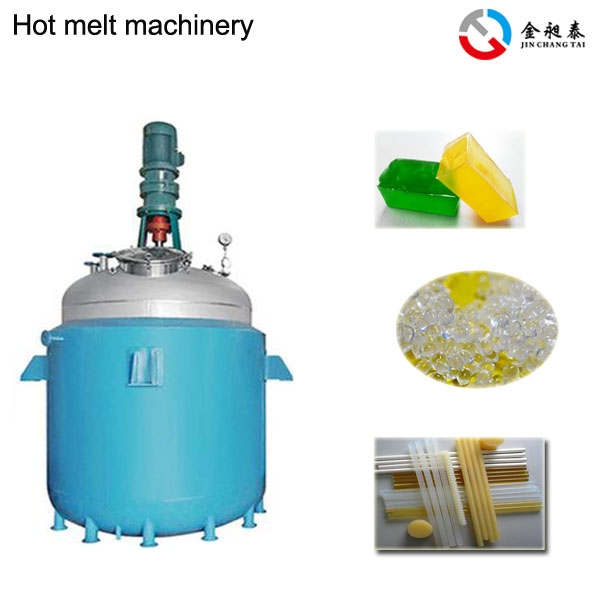
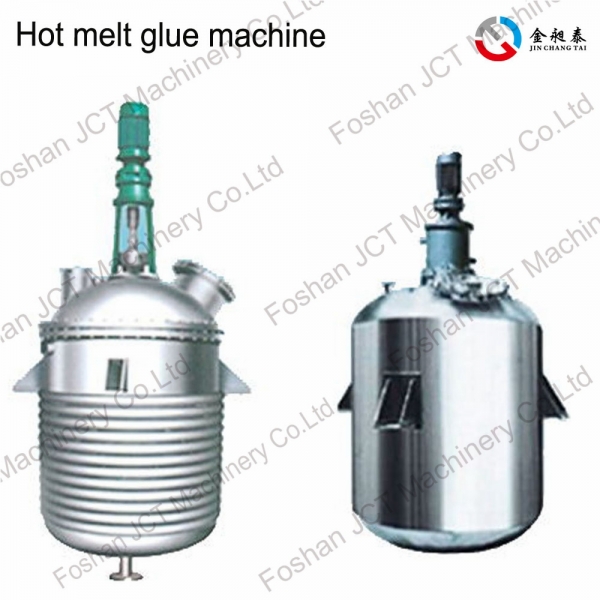
  • Hot melt glue & Butyl sealants: Melt-blending via jacketed heating and high-temperature bottom discharge.
  • Electronic thermal conductive pastes / Silicone greases: High-thermal-conductivity pastes requiring high purity and a bubble-free finish.
  • Pharmaceutical & Food pastes: Compliant with GMP cleanliness standards and designed for easy CIP (Clean-in-Place) processing.

The bottom discharge sigma blade mixer features a high-performance discharge valve integrated at the lowest point of the vessel bottom. During the mixing process, the valve seat sits flush with the inner wall of the vessel, eliminating dead zones; upon completion of mixing, the bottom valve is opened, and the Sigma blades rotate in the discharge direction to ensure rapid and clean material unloading. This setup is particularly well-suited for products that do not require granulation but demand exceptionally high standards regarding containment, cleanliness, and operational safety.


Tel: +86-181 3837 3963 (Whatsapp, Wechat)

Email: chemicalmixingtank2004@gmail.com

Leave a Message

Please feel free to contact us by email or the form below, we will soon reply within 24 hours.

loading